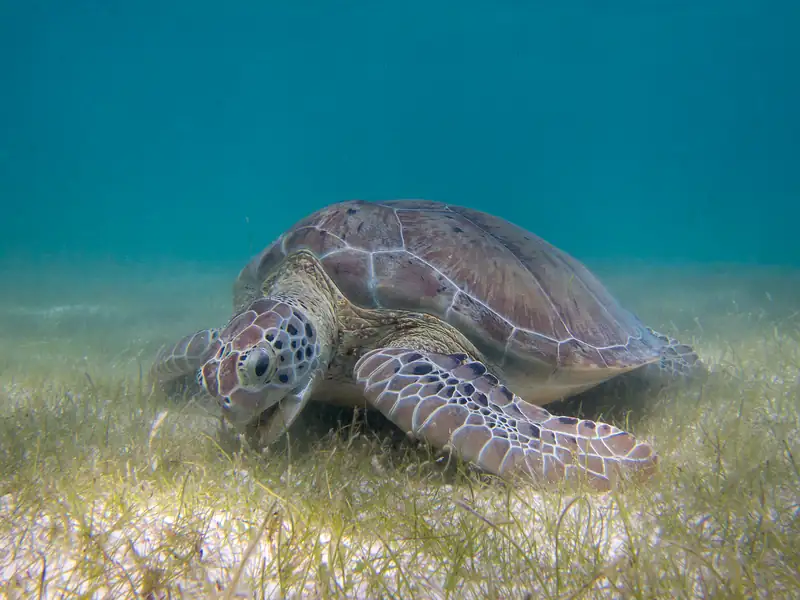
The top things to do in Tulum are swimming in cenotes such as Gran Cenote and Calavera, 3 to 5 km from town, and walking the clifftop Maya ruins. Then add the beaches below them, snorkelling with turtles at Akumal, a canal float in Sian Ka'an, and day trips to Cobá and Chichén Itzá.
The best things to do in Tulum are swimming in its cenotes and walking the Maya ruins on the cliff. Gran Cenote and Calavera are 3 to 5 km from the town centre, and the ruins are just east of town. Add the beaches below the ruins, turtles at Akumal, Sian Ka’an’s lagoons and canals, and day trips inland to Cobá and Chichén Itzá. This list starts in town and works outward.
| Thing to do |
Distance from town |
Time |
Cost note (2026) |
| 1. Swim in cenotes |
3 to 40 km |
1 to 3 h each |
Cash entry at each gate |
| 2. Tulum ruins |
Just east of town |
About 2 h |
MXN 265 foreigners, MXN 80 Mexicans |
| 3. Beaches |
0 to 10 km |
Half day |
Free |
| 4. Snorkel with turtles in Akumal |
About 26 km north |
Half day |
Guide required |
| 5. Sian Ka’an and Muyil |
From 11 km south |
Half to full day |
Reserve fee reported at MXN 225 |
| 6. Laguna Kaan Luum |
About 16 km by road |
2 h |
Cash at the gate |
| 7. Snorkel Tulum’s reef |
Offshore |
2 h |
Boat tour |
| 8. Cenote diving |
5 to 25 km |
Half day |
Dive centre |
| 9. Cobá ruins and cenotes |
About 55 km |
Full day |
INAH fee plus cenotes |
| 10. Chichén Itzá and Valladolid |
Full day inland |
11 to 12 h tour |
Tour or car |
| 11. MURECO museum |
Parque del Jaguar |
1 h |
Free with park entry |
| 12. Plan around the seasons |
|
|
|
Checked October 2026. Distances from OSRM routing and INAH.
1. Swim in the cenotes
Cenotes are the reason this site exists. A cenote is a natural sinkhole where the limestone has collapsed onto groundwater, and the country around Tulum is full of them. Our guide to the best cenotes near Tulum ranks them, and what is a cenote explains how they formed.
The closest are on the Cobá road west of town: Cenote Calavera at 3.3 km, Gran Cenote at 5 km, and Zacil-Ha and Car Wash at about 9 km. South on Highway 307 are Cenote Cristal and Escondido. North on 307 are Casa Cenote, Casa Tortuga, Dos Ojos and Sac Actun, and further up near Xpu-Ha, Cenote Azul, Cristalino and Jardín del Edén.
Go early: a local guide recommends arriving at Gran Cenote’s 8:00 opening to beat the tour buses. Carry cash pesos, shower before you get in and leave the sunscreen behind. Our cenote swimming guide has the rules, the cenote entrance fees page lists what each charges, and the Tulum cenote map shows them by road.
2. Walk the Tulum ruins
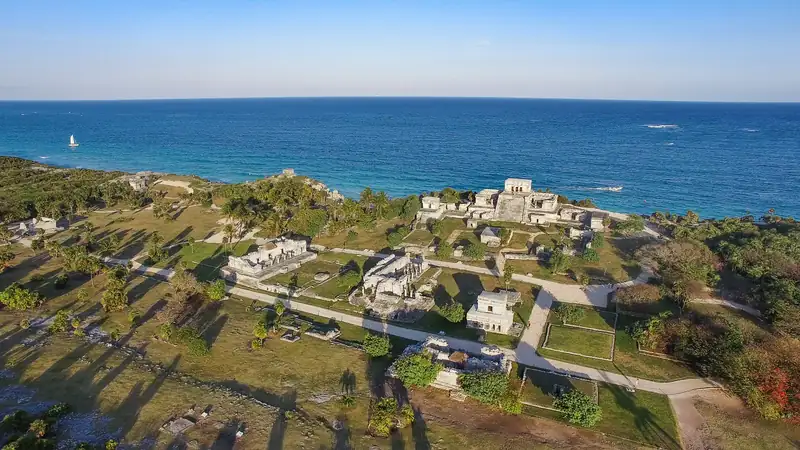
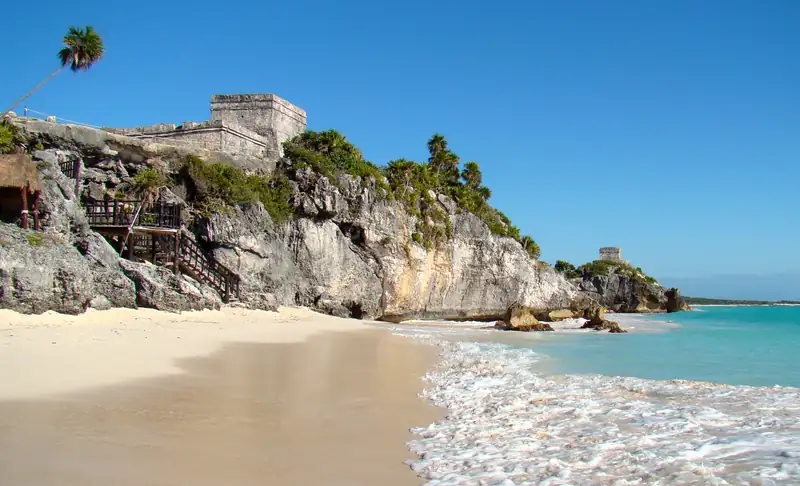
The Tulum ruins are a walled Maya port on a cliff above the sea, the largest town of the province of Ecab around 1400 to 1550 AD, according to INAH. El Castillo is the tallest building on the cliff edge, and the city wall runs about 380 m.
Since 20 July 2026, foreign visitors pay MXN 265 in total, including entry to Parque del Jaguar, and Mexicans pay MXN 80, nothing on Sunday. INAH opens the site from 8:00 to 17:00, with last entry at 15:30. There is no public car park in the park in 2026, so arrive by bike or get dropped off.
3. Spend a day on the beach
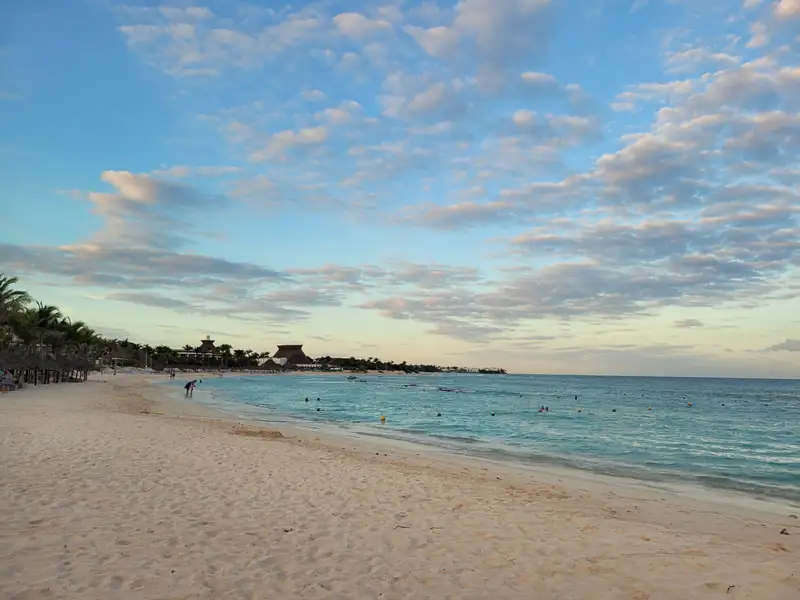
Tulum’s beaches come in two stretches. Below the ruins, inside Parque del Jaguar, are Playa Santa Fe, Pescadores, Maya and del Mangle, declared free every day in November 2025. South of Avenida Cobá, the hotel-zone road runs about 10 km toward Sian Ka’an, with free public access at Playa Conchitas (km 4.5) and Playa del Pueblo (km 5.5) and beach clubs in between.
4. Snorkel with sea turtles in Akumal
Akumal, about 26 km up the coast, has a federal refuge for green, loggerhead and hawksbill turtles. In 2026 you snorkel the turtle area with a certified guide, in groups of up to six. Keep 3 m away and spend no more than two minutes with each turtle.
5. Float a Maya canal in Sian Ka’an
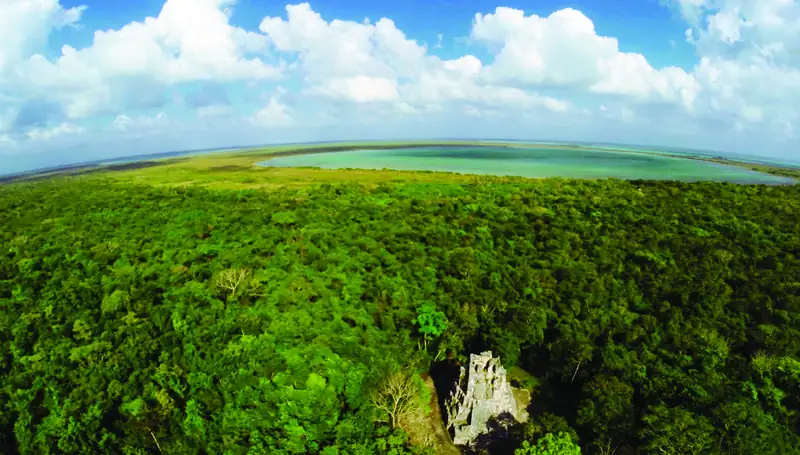
Sian Ka’an is a UNESCO World Heritage biosphere reserve of about 528,000 hectares, starting 11 km south of the ruins. At Muyil, INAH reopened the ruins in February 2026, and boats from the local cooperative cross two lagoons to an ancient canal that you float down. For dolphins and turtles, take the long day to Punta Allen at the tip of the peninsula.
6. Wade in Laguna Kaan Luum
Laguna Kaan Luum is a shoulder-deep lagoon about 16 km by road south-west of town, around a roped-off cenote more than 80 m deep. It suits people who would rather stand in the water, including children who can touch the bottom. Combine it with Muyil.
7. Snorkel Tulum’s reef
A two-hour boat trip from Tulum stops at two reef spots with an in-water guide, looking for turtles and rays, and passes the ruins from the sea. It is rated 4.5 from 258 reviews and is listed on our tours page.
8. Dive a cenote
Certified divers can join guided cavern dives; Dos Ojos and The Pit are the sites most dive tours sell. Beginners can do a first dive in an open cenote with an instructor. Our cenote diving guide explains cavern versus cave diving and what you need, and Cenote Angelita covers the deep dive with the cloud layer south of town.
9. Climb into the jungle at Cobá
INAH puts the Cobá ruins 52 km north-west of Tulum, a Maya city in the forest. Three cenotes sit near Cobá village: Choo-Ha, Tankach-Ha and Multun-Ha. Our Cobá cenotes guide covers them. Several tours pair Cobá with the Tulum ruins in one long day.
10. Go to Chichén Itzá, Ik Kil and Valladolid
Chichén Itzá from Tulum is a full day: the tours we checked run 11 to 12 hours, with a stop in the town of Valladolid. The cenotes on that side of the peninsula are different from Tulum’s: see Ik Kil cenote and Cenote Suytun.
11. Visit the MURECO museum
The Museo Regional de la Costa Oriental is INAH’s museum inside Parque del Jaguar. It opened on 7 September 2024, had more than 98,400 visitors in its first year, and is open Tuesday to Sunday, 9:00 to 17:00. Entry is free once you have paid the park fee.
12. Plan around the seasons
Tulum’s dry season runs from about early November to late May, according to WeatherSpark’s climate averages. September is the wettest month and hurricane season runs from 1 June to 30 November. Sargassum seaweed usually reaches the beaches between April and October, heaviest from June to August. When it does, the cenotes are the fallback, since they are fresh water inland. INAH also lists a Sea Turtle Festival in Tulum from 15 to 17 October.
See the best time to visit Tulum, Tulum sargassum and the month guides for December, January, February and March.
Planning your stay
Every tour we checked, from cenote mornings to Chichén Itzá days, is on the tours page.