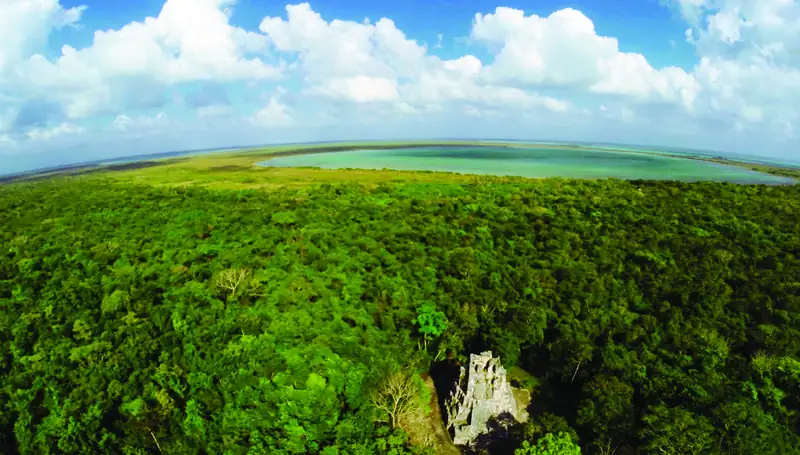
Sian Ka'an is a UNESCO World Heritage biosphere reserve of about 528,000 hectares that starts 11 km south of the Tulum ruins. Visitors go for two things: the Muyil ruins and a float down a Maya-built canal on its west side, or a long day down the coast to Punta Allen for a boat trip with dolphins and turtles.
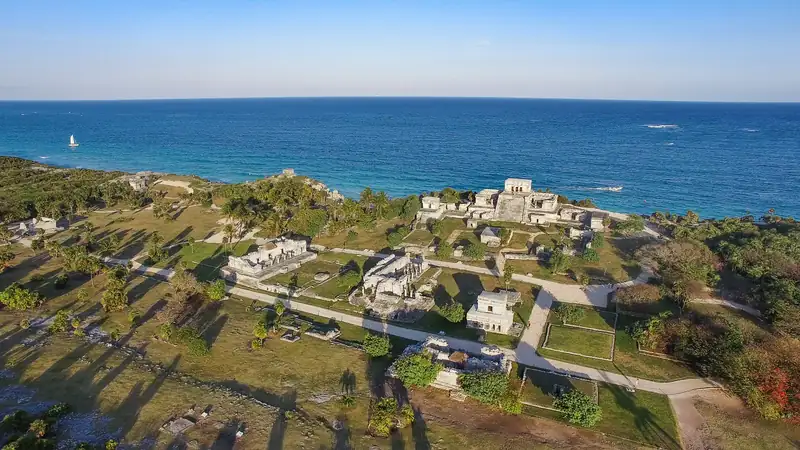
Sian Ka’an is a biosphere reserve on the Caribbean coast that starts 11 km south of the Tulum ruins, according to INAH. UNESCO listed it as a World Heritage site in 1987, and it covers about 528,000 hectares of rainforest, mangrove, marsh, lagoon and reef. From Tulum there are two ways in: the Muyil ruins and canal float on the west side, or the coastal road to the fishing village of Punta Allen for a boat trip.
The two trips are very different days. Muyil is a half day, about 30 km from Tulum on the paved highway. Punta Allen is a full day on a rough track.
What makes Sian Ka’an different
The reserve was set up in 1986. The IUCN’s World Heritage Outlook counts nine ecosystems and 17 vegetation types inside it, from rainforest and mangrove to savanna, coastal dunes, seagrass and coral reef. It protects about 120 km of the Mesoamerican Reef, with 87 species of reef-building coral, and its species list records 373 bird species.
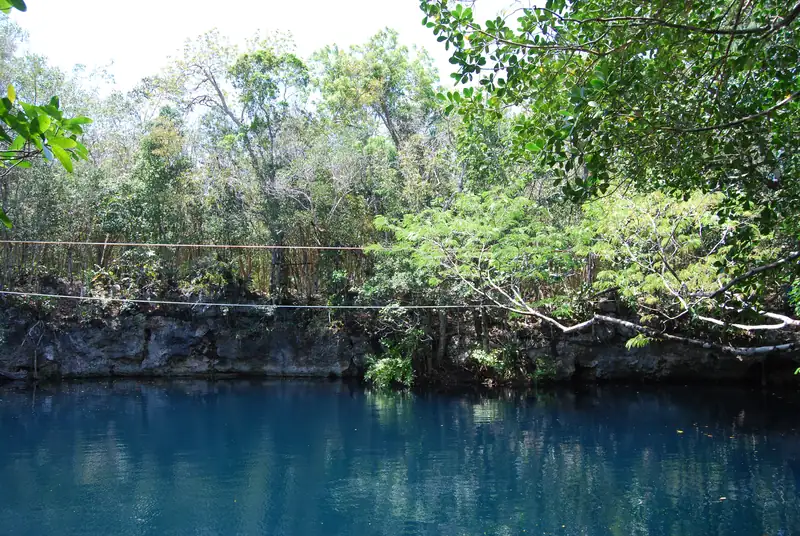
Like the cenotes around Tulum, the reserve sits on porous limestone. Cenotes and petenes, which are islands of forest standing in the marsh, are linked by underground fresh water. Our guide to what a cenote is explains how that water system formed.
The name is usually translated as “origin of the sky”.
The IUCN rated the site’s conservation outlook as “significant concern” in October 2025.
Sian Ka’an entrance fee and rules
| Item |
Detail |
| Reserve fee |
MXN 225 per person (Milenio, February 2026, citing CONANP) |
| Exempt |
Seniors, pensioners and retirees, people with disabilities, children under 12 |
| Muyil archaeological site |
Open daily 8:00 to 17:00 (INAH, February 2026); separate INAH fee |
| Banned |
Sunscreen, campfires, taking plants or animals, litter, leaving marked trails, pets, sound systems |
Checked October 2026. CONANP’s own 2026 fee page could not be found; the federal fee law shows MXN 217.32.
We could not confirm a current Muyil ticket price after the February 2026 reopening, so we are not printing one. Tours to Muyil and the canals often bundle the fees, but check the listing.
Sunscreen is the rule most visitors trip over. Wear a long-sleeved sun shirt and a hat on the boats instead.
The Muyil ruins and the canal float
Muyil was a Maya city and port with a long history. INAH dates its occupation from the Late Preclassic (400 BC to 200 AD) to the Early Postclassic (900 to 1200 AD). It sits on the west edge of the reserve, beside the Muyil and Chunyaxché lagoons, about 30 km south-west of Tulum by INAH’s count.
The site reopened on 10 February 2026 after works under PROMEZA, a federal programme to upgrade archaeological sites along the Tren Maya route. INAH added a visitor centre with ticket booths, toilets, parking, signs and new trails. Two building groups opened to visitors for the first time: the Sacbé group, which INAH says had ceremonial and possibly residential use, and the Great Platform. Before that you could only see the Entrance, Rosado and Castillo groups. The new building also has a stand for the boats of the local ejido cooperative from Chunyaxché.
From Muyil, boats cross the lagoons into the reserve. The trips we checked describe:
- a boat across the Muyil and Chunyaxché lagoons to a small temple, then a float down an ancient canal, run by a Maya cooperative from Muyil (8 hours with pickup, 4.8 from 614 reviews)
- an afternoon small-group trip to the ruins and a lazy float down a canal, finished with tacos (6 hours, 4.8 from 439)
- a kayak along a Maya-built canal between the two lagoons with cooperative guides (4.5 hours, 4.9 from 95)
- a six-person day pairing Muyil and a canal drift with a swim at Cenote Escondido (6 hours, 5.0 from 3 reviews)
The listings describe the canal section as a lazy float. The last tour is the only one of these that stops at a cenote. Cenote Cristal and Escondido are a short drive south-west of Tulum on the way down.
Punta Allen and the coast road
Punta Allen is the main village inside the reserve, at the tip of the peninsula about 46 km south of Tulum town in a straight line. It belongs to Tulum municipality and is home to the Vigía Chico fishing cooperative, known for spiny lobster.
The road there leaves the end of Tulum’s hotel zone and runs down the peninsula past Boca Paila. It is a rough, unpaved track that travel writers describe as sandy and potholed, and they advise going with a driver rather than a hire car.
The Punta Allen tour on our list is a 10-hour day from Tulum with pickup in town or the hotel zone. It goes by boat looking for dolphins, turtles and manatees, with beach time and a Caribbean lunch. The listing treats the snorkel stop as a weather-dependent bonus. It is rated 4.8 from 325 reviews.
Sightings depend on the day and the sea.
Muyil or Punta Allen?
|
Muyil and the canals |
Punta Allen |
| Time from Tulum |
Half day |
Full day, about 10 hours |
| Road |
Paved Highway 307 |
Rough unpaved track |
| Highlights |
Maya ruins, lagoons, canal float |
Open sea, dolphins, turtles, beach |
| Good for |
Families, a short trip, history |
Wildlife, people who don’t mind a long ride |
| Independent visit |
Possible: ruins and cooperative boats on site |
Hard without a sturdy vehicle |
If you only have a morning, do Muyil. If seeing dolphins matters to you and you have a full day, do Punta Allen.
Combining Sian Ka’an with other trips
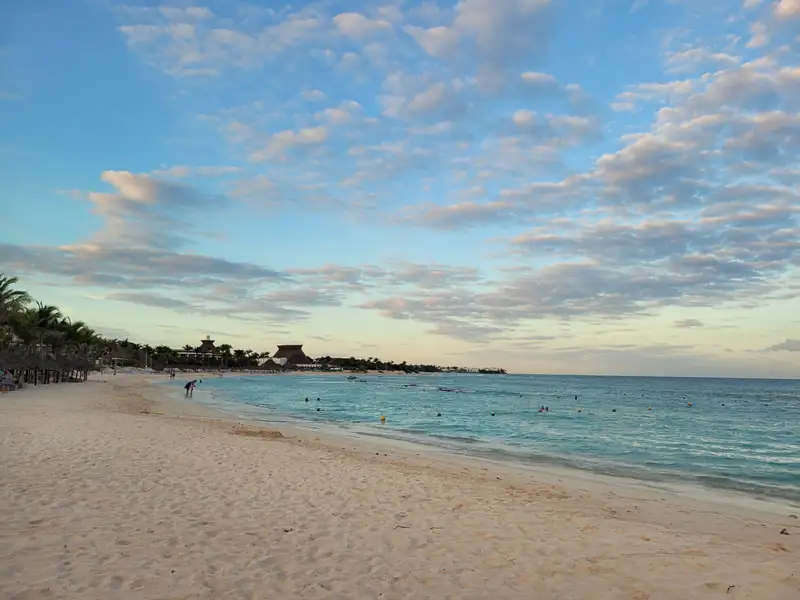
Laguna Kaan Luum is on Highway 307 about 16 km from Tulum by road, on the way to Muyil, and makes an easy add-on for a swim in shallow water. The beaches of Tulum’s hotel zone line the road you take toward Punta Allen; see our Tulum beaches guide.
For the rest of the area, see things to do in Tulum and the cenotes near Tulum. The tours page lists every Sian Ka’an trip we checked.